The morning sun over Lincoln came up soft and amber, casting golden warmth across the quiet suburbs and old university streets like it knew something special was about to happen.
Emily stood on the bus steps, hoodie sleeves pulled down over her hands, staring at the familiar neighborhood like it was a memory she’d forgotten was real. The houses weren’t big. The sidewalks were cracked in places. And there, just half a block up, was a white house with flowerbeds blooming wild, a weather-worn windchime clinking lazily in the breeze.
“That’s it,” she said softly.
Diesel killed the engine without being asked. “Want us to come with?”
Emily hesitated. “Give me five minutes.”
Thane nodded. “We’ll be right here.”
She walked up the sidewalk with a slow, deliberate pace, like her feet were remembering the weight of home after years on unfamiliar roads. The front door opened before she knocked.
Her mother—small, auburn-haired like her, with that same soft expression and the kind of eyes that read right through you—stood in the doorway, hand to her mouth.
“Hi, Mom.”
The woman made a choked sound and pulled her daughter into a hug so tight it knocked the air out of her.
“You’re real,” her mom whispered. “You’re really here.”
Emily laughed into her shoulder. “I missed you.”
They didn’t stay long—just enough to catch up in a sunlit kitchen filled with the smell of cinnamon tea and warm scones. Her mom showed her a stack of articles, concert posters, and screenshots of every moment she’d ever appeared in a Feral Eclipse video.
“Your face at Glastonbury when the bass rig blew out?” her mom said, grinning. “You looked like someone had unplugged the universe.”
Emily blushed. “It felt like it.”
They talked about the band. The pack. The road.
And then her mom said something unexpected.
“You know the old music shop? The one where you used to hang out after school?”
Emily looked up. “Yeah?”
“They’re closing down. Final day is today.”
Her heart sank. “Seriously?”
Her mom nodded. “They said anyone who wanted to come by and say goodbye was welcome.”
The shop was called Weatherby’s Strings & Things, and it looked exactly the same as it always had—crooked display window, cracked sign, rows of guitars that hadn’t been dusted since the Clinton administration.
When Emily walked in with Thane, Gabriel, and Rico in tow, the owner—a wiry man with a ponytail and a shop apron covered in guitar picks—blinked.
“Emily?”
“Hey, Mr. Weatherby,” she said shyly.
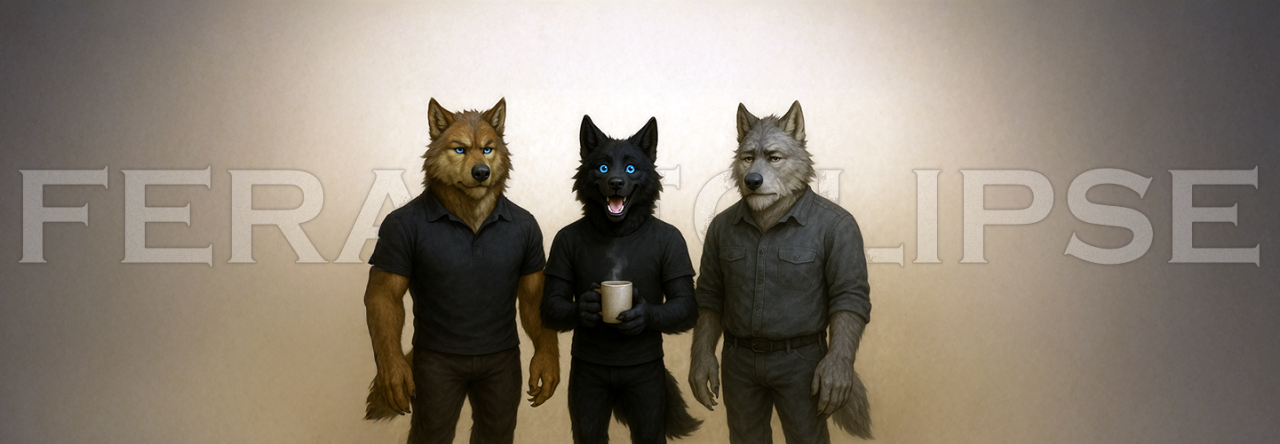
He looked past her at the wolves, all towering, curious, and just slightly out of place under the acoustic ceiling tiles.
“You in a band now?”
“Sort of,” Gabriel said with a grin. “She’s the reason we don’t trip on our own cables.”
Weatherby laughed and opened his arms. “Well, hell. Take a look around. It’s the last day. Play whatever you want. You earned it.”
Emily wandered over to a display shelf and stopped at a small, battered ukulele.
Thane came up behind her. “That yours?”
“I learned to play on this exact one,” she said. “Mr. Weatherby let me borrow it during summer school. Said I could keep it if I ever played a show.”
Gabriel was already strumming a dusty acoustic in the corner. Rico had plugged in a Telecaster and was improvising something slow and bluesy. The mood in the room shifted, soft and warm.
Emily picked up the uke and tuned it by feel, fingers moving instinctively. And then, just quietly, she began to play.
No spotlight. No crowd. Just four friends and an old man in a music shop that time had nearly forgotten.
Her voice was soft—barely above a whisper—but full of something that made Thane stop mid-breath.
“You never said you could sing,” he murmured when she finished.
Emily shrugged, eyes down. “I never said I couldn’t.”
Mr. Weatherby chuckled. “Still humble as ever.”
Thane leaned down and looked her in the eyes. “Next acoustic set, you’re doing backup.”
Gabriel raised a paw. “Seconded.”
Emily smiled, cheeks flushed. “We’ll see.”
That night, back on the bus, the ukulele sat beside her bunk, newly gifted by Weatherby and freshly restrung by Gabriel, who claimed “a wolf with a Leatherman” could fix anything.
Emily lay curled up with the little instrument beside her, staring at the ceiling, full to bursting with everything she hadn’t known she needed to remember.
Mark passed by her bunk and paused. “Good visit?”
She nodded. “Yeah. Really good.”
Mark gave a rare, warm nod. “Glad.”
The bus rolled on through the Nebraska dark.
And somewhere in the shadows, Emily strummed a soft chord that sounded like home.